It’s a tough truth, but working at height continues to be one of the riskiest jobs out there.
While we’re always striving for safer workplaces, the latest provisional figures from the Health and Safety Executive (HSE) for 2024/25 remind us just how serious this issue remains.
Checkout this podcast:
Ideals with working at Height and what it means for you.
The Numbers Speak: Still a Deadly Drop
For the period covering April 2024 to March 2025, a sobering 35 workers tragically lost their lives due to falls from height across Great Britain. That’s a significant number, and it solidifies falls from height as the single biggest cause of fatal injuries in our workplaces. While this figure shows a reduction from the 50 fatalities reported in the previous year (2023/24), it’s a stark reminder that the danger is very much still there.
And who’s most affected? Well, the construction industry, as you might expect, continues to see the highest number of overall workplace deaths, with 35 fatalities in 2024/25 from all causes, and falls from height are a huge contributor to that. It’s also worth noting that a significant proportion of these fatal falls – 23 out of 35, in fact – involved self-employed individuals, highlighting an area where safety vigilance is especially crucial.
Want to know more!
So, What Can We Do About It? Keeping Everyone Safe
Nobody wants to see these numbers. The good news is, most of these accidents are preventable. It really boils down to thinking smart and being super careful.
Here’s the simple rundown on how we can all play our part in making work at height much safer:
Plan Ahead, Every Time: Before anyone even thinks about going up, have a solid plan. What’s the job? What are the risks? How will we do it safely? Who’s in charge? Getting this sorted beforehand can prevent a lot of headaches – and heartaches.
Use the Right Gear, Always: Think of it like this: you wouldn’t use a wobbly ladder to change a lightbulb, right? The same goes for work. Make sure the equipment (ladders, scaffolding, safety harnesses, platforms) is not only the right type for the job but also in tip-top condition and inspected regularly. No shortcuts here!
Get Trained and Be Smart: Knowledge is power, especially when it comes to safety. Everyone who works at height needs to know what they’re doing, understand the risks, and know how to use the equipment properly. It’s about having the right skills and not being afraid to speak up if something doesn’t feel right.
Think “Avoid, Prevent, Minimize”: This is a neat little trick the safety experts use.
Avoid: Can you do the work without going up high at all? Maybe use a long-handled tool or a drone for inspection? If you can avoid the height, that’s step one.
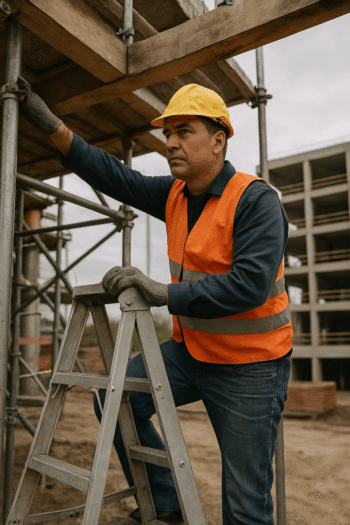
Prevent: If you have to work at height, how can you stop a fall from happening? This means things like sturdy scaffolding with guardrails, or a secure work platform. Basically, put something in place that makes falling really, really hard to do.
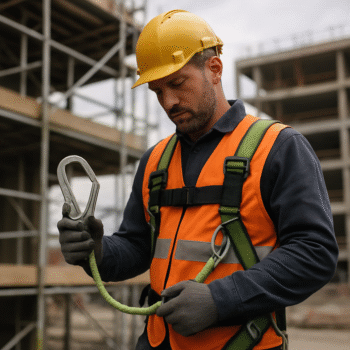
Minimize: Okay, sometimes, despite your best efforts, a fall might still be possible. In these cases, how can you make sure if someone does fall, they don’t get seriously hurt? This is where safety nets, airbags, or personal fall arrest systems (like harnesses with lanyards) come in. They catch you or stop you before things get critical.
Want to know more!
Ultimately, these statistics are more than just numbers; they represent real people, real families, and real communities affected by tragic accidents. By keeping safety at the forefront of every task, especially when working at height, we can all contribute to a future where everyone who goes to work, comes home safe and sound.
Want to know more!